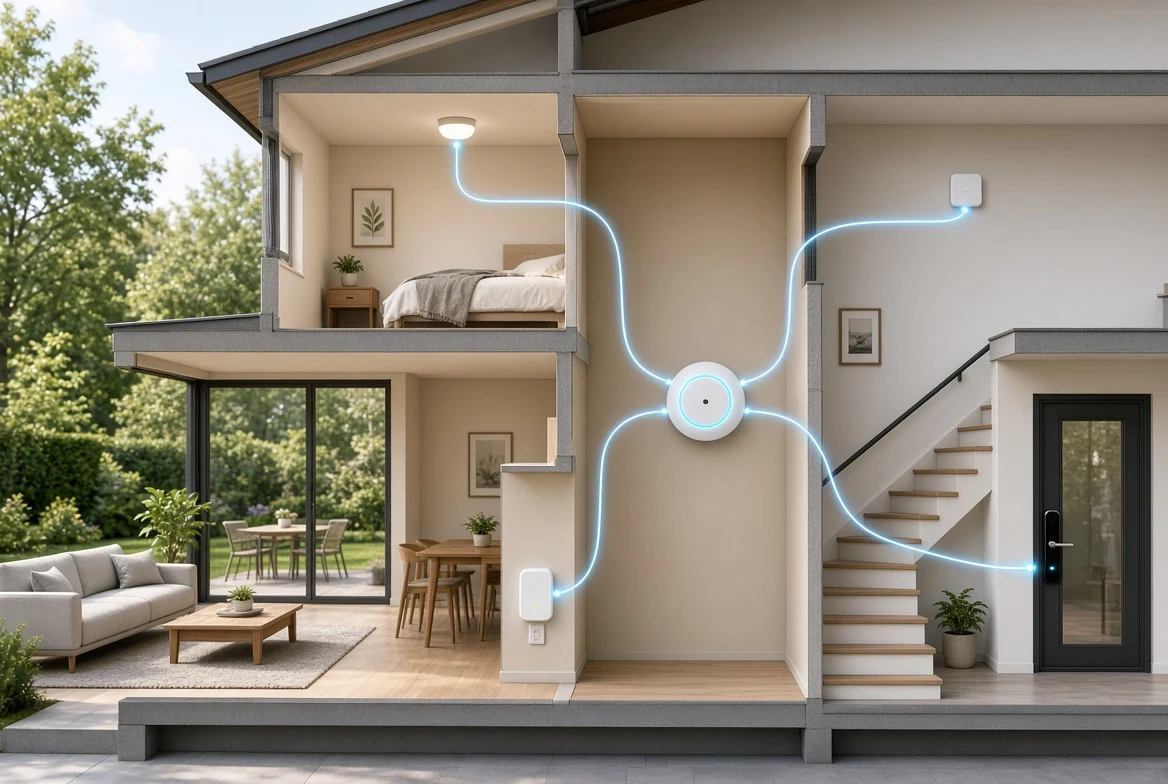
Smarthome
What Matter Actually Does for Your Smart Home, Explained
Ray KowalskiThe industry-backed standard promises devices that just work together. Here’s what it actually fixes, what still needs a hub, and what changed in the newest version.
Smarthome covers hubs, sensors, cameras, locks, lighting and the protocols underneath them, including Matter, Thread, Zigbee and Wi-Fi. Testing runs on a lived-in network with mixed brands, because that is where automations break. Suited to anyone assembling a system that must keep working without constant attention.
Cameras, sensors, plugs, locks and hubs tested on a real network, with plain answers about Matter, Thread and what stops responding after an update.
The industry-backed standard promises devices that just work together. Here’s what it actually fixes, what still needs a hub, and what changed in the newest version.
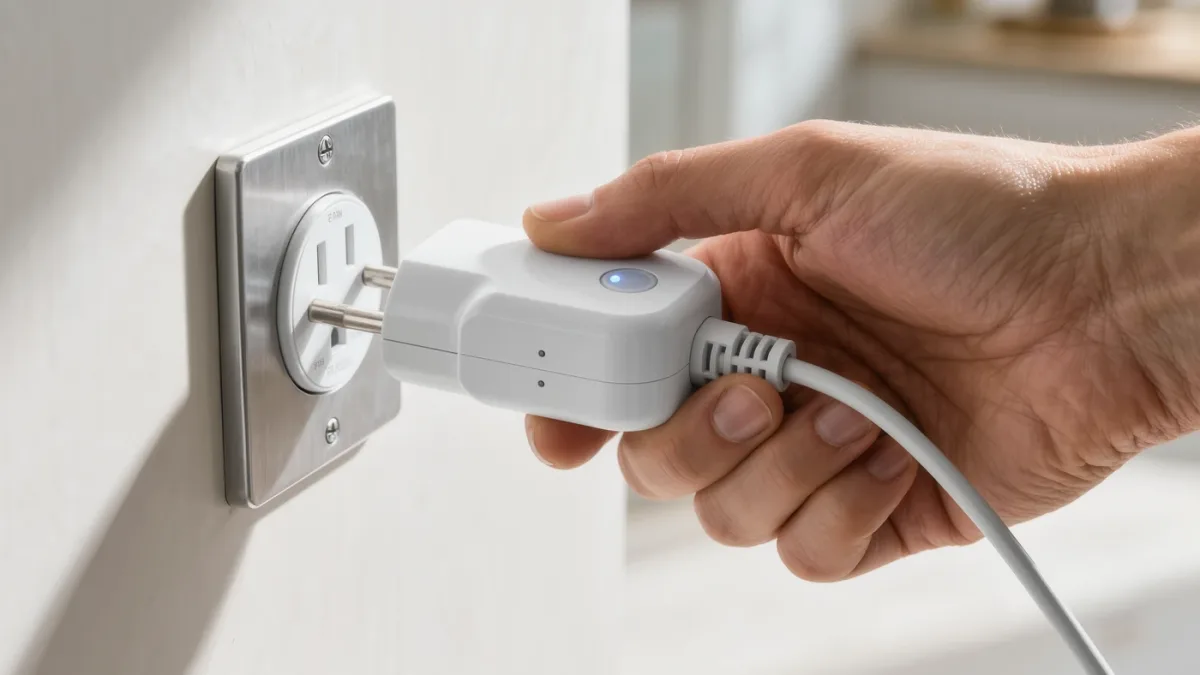
The documented fix order is signal, power, cloud, firmware — and 80 percent of offline devices come back at step two: the power cycle nobody wants to be the answer.
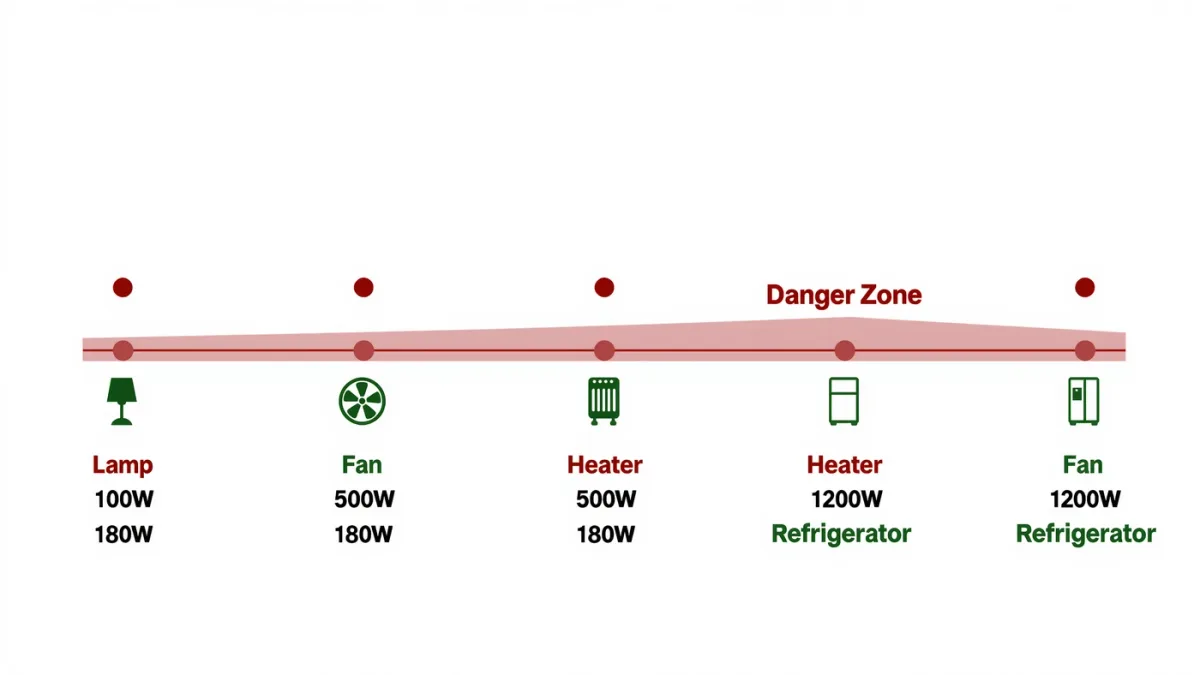
Most smart plugs document a 15-amp ceiling — fine for lamps and fans, fatal for space heaters — and motor appliances need a relay rated for inductive loads.

Matter needs two things you may already own — a controller (Apple Home, Google Home, Alexa or SmartThings hub) and a Thread border router — and then setup becomes scanning one QR code.
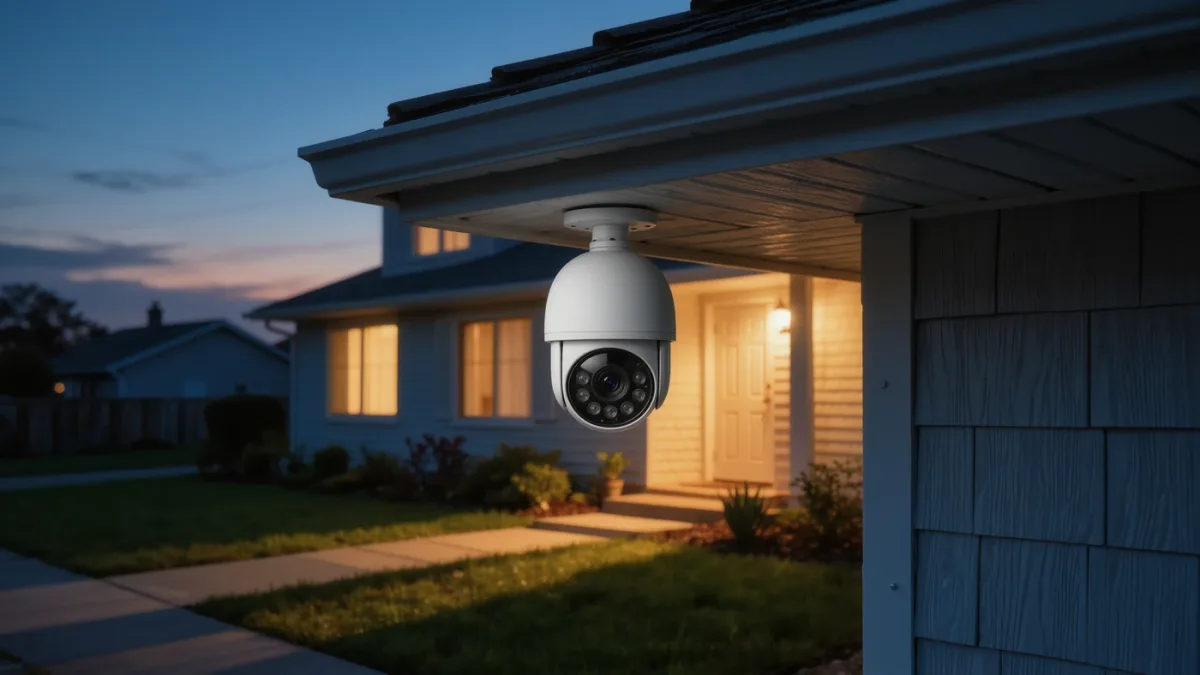
The real decision isn't image quality — it's where footage lives: subscription cloud, local storage, or Apple Home Secure Video's privacy-first model.