Gadgets holds the hardware verdicts: phones, laptops, tablets, wearables, headphones and chargers, each judged after weeks of ordinary use. Reviews record battery decay, heat, build wear, repair cost and how support behaves when something fails. Written for buyers choosing between two shortlisted products rather than browsing.
Phones, laptops, wearables and audio hardware reviewed after weeks of ordinary use, with notes on battery decay, build wear and repair cost.
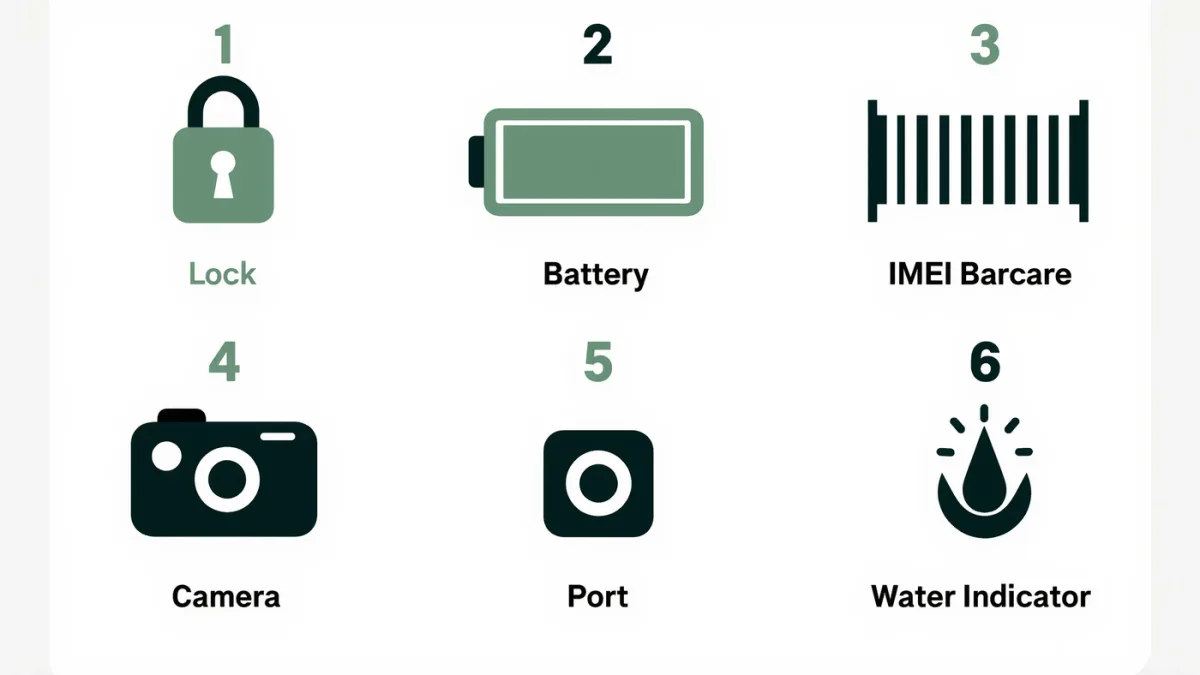
Three checks decide a used iPhone purchase: Activation Lock off, battery health above 80 percent, and an IMEI that's clean with the carrier — skip any one and you've bought a paperweight.
Qi2's magnetic alignment makes wireless charging finally reliable — iPhone users have it already (it's MagSafe-compatible), and the 2026 charger market splits into pads, stands and 3-in-1 stands.
If you read more than three books a month, a $150 e-reader's e-ink screen wins on eyes and battery; the tablet wins only if reading shares time with video and apps.
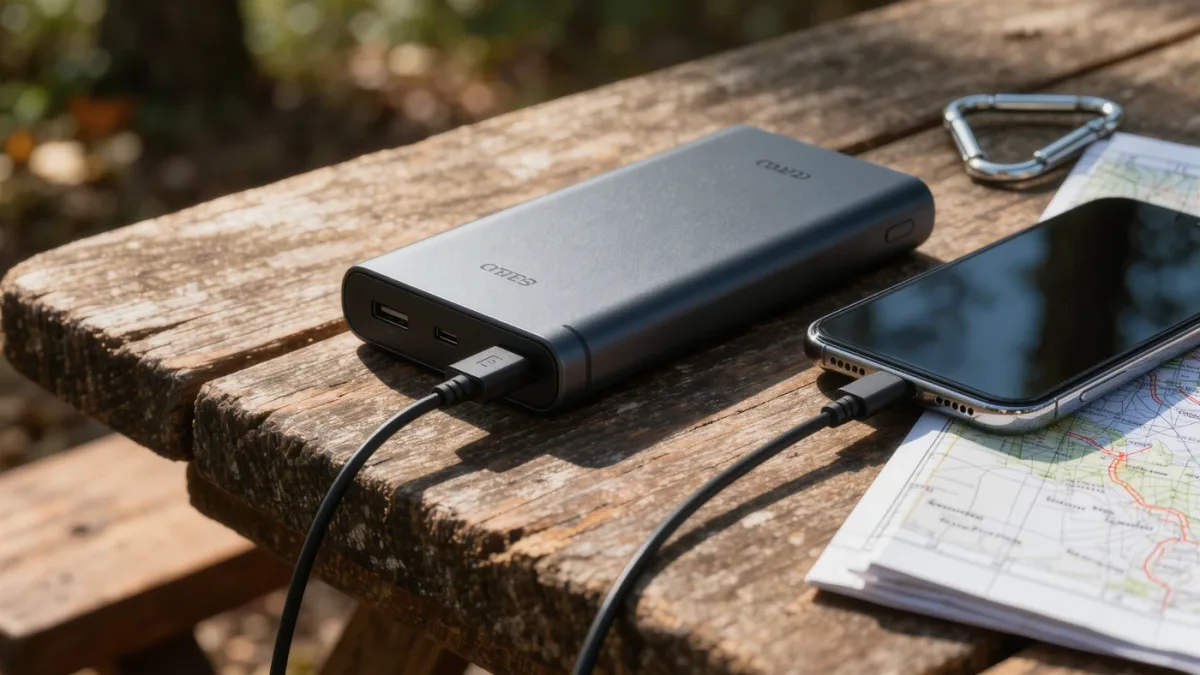
For camping, the documented winner is a 20,000mAh bank with 30-watt output and a built-in cable; the catch is what airlines and tent-campers treat very differently.